
Georgia Department of Agriculture Offers Block Grant to Farmers Affected by Hurricane Helene
The Georgia Department of Agriculture announced the Georgia Hurricane Helene Block Grant, a relief fund grant aiming to provide financial aid to farmers, ranchers and foresters still affected by Hurricane Helene.
The Georgia Department of Agriculture announced the Georgia Hurricane Helene Block Grant, a relief fund grant aiming to provide financial aid to farmers, ranchers and foresters still affected by Hurricane Helene.
“We invested thousands of hours into this process to ensure we brought the maximum amount of funding to Georgia while covering as many commodities and loss types as possible,” said Georgia Agriculture Commissioner Tyler J. Harper in a press release.
Originally announced in September 2025, the block grant aims to distribute $531,236,000 to members of Georgia’s agricultural sector, specifically for commodities and losses not already covered by a United States Department of Agriculture (USDA) program.
According to the press release, these losses can include “timber, infrastructure, poultry, beef cattle, dairy cattle, milk loss, dairy feed loss, pecans, blueberries, citrus, nursery, plasticulture and bare ground practices.”
Payments will vary based on the commodity being paid for. Payments for timber will be based on the pre-storm values of the damaged timber stands, while payments for blueberries, citruses and nurseries will be based on future production losses.
Potential applicants may apply anytime between March 16 and April 27, providing the department with the applicant’s name, tax identification number, gate card number, physical location of the applicant’s farm, USDA farm number, 2024 tax assessment, deed and lease.
The press release notes several documents applicants must provide as proof of their losses, such as timber loss documentation; acreage reports; crop insurance records; veterinarian records; poultry loss production cycles; damages to trees, bushes, nurseries and buildings; receipts for medications; records of milk production; numbers of animals before and after the storm; expense invoices; sales and trucking receipts; repair and demolition bills; reconstruction and replacement invoices and photographs, including aerial photography.
The release also notes the list of documents is not comprehensive, encouraging applicants to submit any documents they believe may support their application. The required forms can be found on the Georgia Department of Agriculture’s website.
In 2024, University of Georgia Extension agents worked in collaboration with the university’s College of Agricultural and Environmental Sciences, the Warnell School of Forestry and Natural Resources, the Georgia Department of Agriculture, the Georgia Forestry Commission and the office of Governor Brian Kemp to produce a damage assessment to Georgia’s economy. According to the report, Hurricane Helene cost the Georgia economy “at least $5.5 billion in agricultural and timber losses,” with $1.28 billion coming from timber losses alone.
The storm also destroyed an estimated 32.6 percent of cotton crop, 25 to 30 percent of vegetable crops, and disrupted farming operations focused on pecans, citruses, blueberries, soybeans and livestock. Georgia’s tobacco crop was also affected, but tobacco farms were also recovering from a previous storm, Hurricane Debby, which destroyed 45 percent of their crop.
“While this relief will not make impacted producers 100 percent whole, it will go a long way to help farm families get back on their feet after the devastation of Hurricane Helene,” said Harper.
The grant program was spearheaded by Senators Reverend Raphael Warnock and Jon Ossoff in the United States Senate. According to a press release from Senator Warnock, the funds were received following “months of bipartisan efforts” during which multiple government representatives asked for disaster relief funds.
“Now, over a year late, USDA is finally getting those funds to Georgia farmers,” said Senator Ossoff. “I am glad Georgia farmers are getting the help they’ve long deserved.”
Before you go...
Thanks for reading The Tri-County Connector. We hope this article added to your day.
We are a nonprofit, local newsroom that connects you to the whole story of Macon-Bibb County. We live, work and play here. We know Middle Georgia, and our reporting illuminates and celebrates the people and events that make this area unique.
If you appreciate what we do, please join the readers like you who help make our solution-focused journalism possible. Thank you
Related Articles
Treutlen and Montgomery County Lift Burn Bans
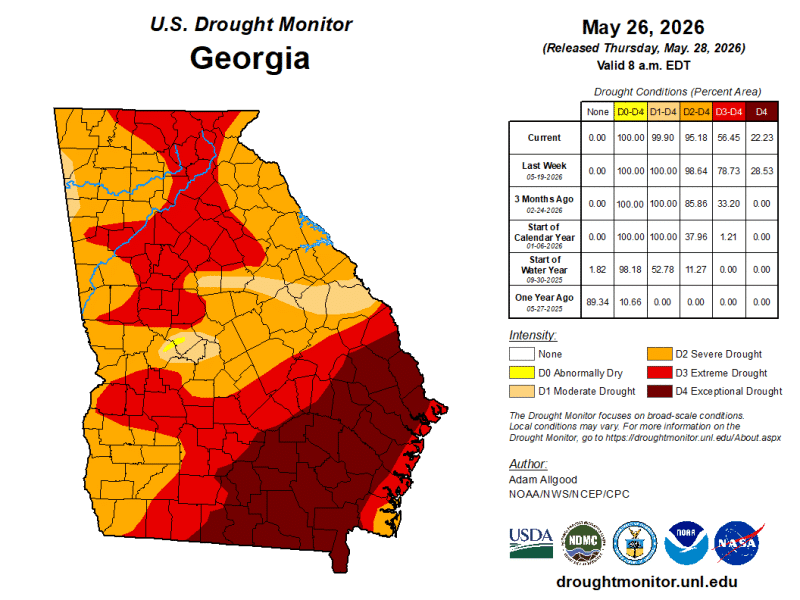
Montgomery County and Treutlen County announced the lifting of their burn bans on May 26 and May 27 respectively, following a month-long battle against local drought conditions.

Alamo City Council Considers New Event Center and New Fire Station
The Alamo City Council considered whether to move forward with plans to construct a new event center or divert attention to a new fire station during their monthly meeting on May 18.
Farmers Home Furniture Reopens With Ribbon Cutting Ceremony
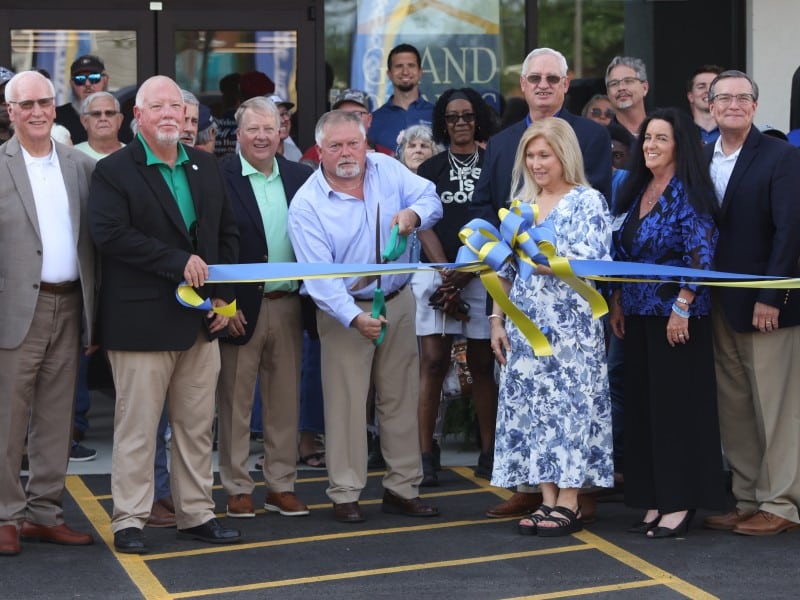
Soperton’s Farmers Home Furniture christened the grand opening of its rebuilt store with a ribbon cutting ceremony on May 21.